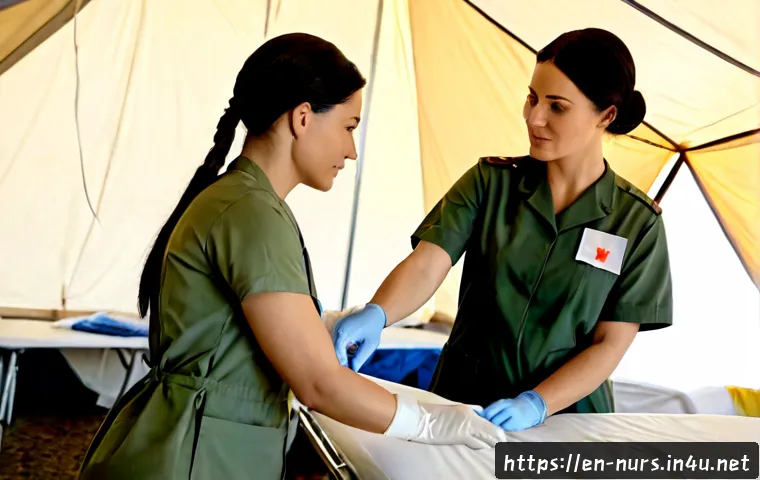
Military nursing and conflict-response nursing can suit people who want high-acuity care, structured teamwork, and preparation for unpredictable clinical environments.
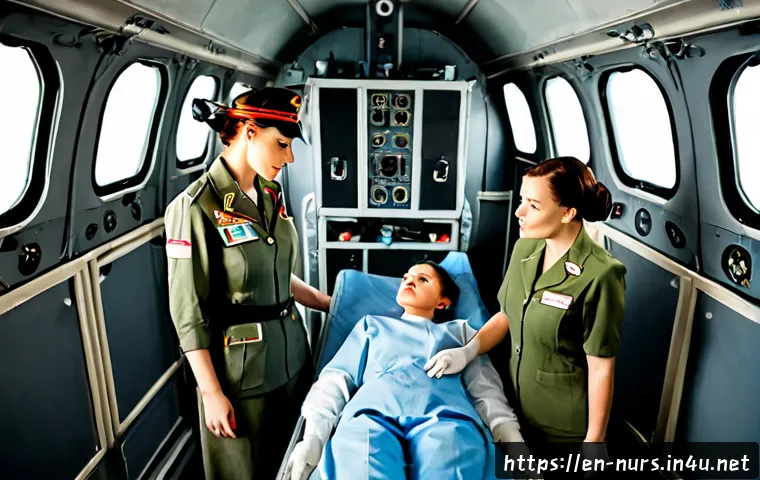
The best starting point is usually a licensed nursing foundation plus verified emergency-care training, not an assumption that a single program guarantees deployment or trauma experience.
Paid training may be worthwhile when it supports recognized licensure, supervised clinical learning, or a clear career transition plan. Before committing, compare service obligations, education costs, flexibility, and the role you can realistically perform.
Requirements, compensation, deployment policies, and eligibility can vary widely by country and organization.
At a Glance
- Military and conflict-setting nursing combines clinical care with triage, documentation, communication, and operational awareness.
- Choose between active service, reserve options, civilian emergency nursing, and humanitarian-response work only after checking eligibility and commitments.
- Compare nursing degree programs, emergency certifications, equipment needs, and career support before paying for training.
| Career Route | What to Verify | Time and Flexibility | Costs and Commitments |
|---|---|---|---|
| Active-duty military nursing | Licensure recognition, medical and security requirements, service terms, assignment rules | Structured role with limited personal control over location or assignment | Confirm education support, service obligation, relocation expectations, and career transition options |
| Reserve pathway | Training schedule, readiness requirements, call-up conditions, civilian-work compatibility | May allow continued civilian employment, depending on local rules | Check training travel, uniforms, unpaid time, and commitment terms |
| Civilian emergency or critical-care nursing | Clinical placement quality, specialty exposure, employer training, advancement support | Often offers more control over employer and specialty direction | Compare tuition, examination fees, certification costs, and employer-sponsored education |
| Humanitarian-response work | Organization eligibility, scope of practice, safety procedures, language and travel expectations | Assignment availability and duration can be uncertain | Verify travel, insurance, credentialing, and financial arrangements directly |
What Nursing in Military and Conflict Environments Involves
Three Quick Answers for Aspiring Nurses
Is bedside skill enough? No. Clinical judgment matters, but so do communication, documentation, teamwork, and the ability to work within a changing care system.
Do all roles involve deployment? Not necessarily. Duties, locations, and deployment expectations depend on the organization, country, assignment availability, and individual eligibility.
Should students pay for specialty training immediately? Only after confirming that the course supports your licensure plan, career goal, and likely work setting.
Clinical Care, Triage, Documentation, and Team Coordination
Nurses in military or conflict-related environments may work in settings where patient flow, staffing, supplies, and communication channels change quickly. The work can include assessment, prioritization, patient monitoring, medication safety, documentation, handoffs, and coordination with an interdisciplinary team. Triage is not simply working faster; it is using an organized process to identify needs, escalate concerns, and support safe decisions within your authorized scope of practice.
Preparation for these roles should also include ethical judgment. A nurse may need to communicate clearly with patients, families, supervisors, and colleagues while protecting privacy and maintaining accurate records. Specific clinical conditions and safety risks in any conflict zone cannot be assumed in advance.
Why Readiness Includes Logistics and Communication, Not Only Bedside Skills
Readiness means knowing how to function when routines are less predictable. This can include checking supplies, understanding documentation systems, receiving handoffs, following local procedures, and communicating concerns early. Logistical awareness helps nurses recognize that safe care depends on more than personal clinical knowledge.
A training course can be useful when it includes supervised practice, realistic communication exercises, and clear boundaries around scope of practice. Be cautious of programs that emphasize dramatic scenarios but do not explain accreditation, instructor qualifications, clinical supervision, or how the training applies to your license.
Compare Career Routes Before You Commit
Active-Duty, Reserve, Civilian Hospital, and Humanitarian-Response Pathways
There is no single “best” path. Active-duty service may fit nurses who are comfortable with formal structures and defined service commitments. A reserve pathway may appeal to nurses who want to maintain a civilian role while meeting separate readiness expectations. Civilian emergency, trauma, or critical-care roles can build transferable skills without a military commitment. Humanitarian-response work may be meaningful for some nurses, but assignment access, safety arrangements, and credential rules require direct verification.
Do not choose based on a job title alone. Ask what daily work looks like, who supervises practice, what happens if personal circumstances change, and whether the role supports your long-term nursing career.
Education, Licensure, and Specialty Training Considerations
Start with the foundation: a nursing degree, applicable licensure, and current records. Then consider whether emergency-care education, critical-care exposure, trauma-informed communication training, or leadership development matches your next step. A specialty certification can be valuable when it is recognized by relevant employers and fits your clinical experience, but it should not replace core supervised practice.
Before enrolling in a nursing education program or certification course, verify accreditation, eligibility requirements, examination rules, clinical placement arrangements, and continuing-education value. Licensing recognition across regions or organizations is not automatic.
Time, Flexibility, Service Commitment, and Career Transfer
A useful comparison is simple: how much control do you need over location, schedule, specialty, and career changes? Military service may involve formal commitments. Civilian hospital work may offer more employer choices but still require shift work and specialty-specific expectations. Emergency nursing programs can strengthen a resume, yet their practical value depends on the quality of teaching and the opportunities available after completion.
Training Costs and Value: What to Check Before Paying
Tuition, Certification, Examination, and Clinical-Placement Expenses
Training costs are broader than tuition. Build a checklist that includes nursing school tuition, application charges, examination fees, certification fees, learning materials, required clinical placements, and continuing education. If a program advertises financial support, ask what is covered, what must be repaid or earned through service, and what conditions apply.
Equipment, Travel, Relocation, and Unpaid-Time Considerations
Also consider uniforms, professional equipment, travel to training sites, possible relocation, accommodation, and time away from paid work. Opportunity cost matters: a course may be affordable on paper but difficult to complete if it reduces work hours or requires repeated travel.
Do not rely on a general estimate from another applicant. Current tuition, scholarships, travel costs, equipment expenses, and relocation support must be confirmed with the school, employer, recruiter, or training provider.
Questions to Ask Before Enrollment
- Is this program accredited or formally recognized for my intended career path?
- Will it support my current or future nursing licensure?
- What clinical supervision, simulation, or placement support is included?
- Which fees, equipment, travel, and examination costs are separate?
- Does enrollment create a service obligation, repayment requirement, or scheduling restriction?
Readiness Skills and Common Planning Mistakes
Emergency Assessment, Trauma-Informed Communication, and Teamwork
Useful preparation includes structured assessment, clear escalation, safe handoffs, and calm communication. Trauma-informed communication can help nurses interact respectfully with people who may be distressed, displaced, or uncertain about care. Interdisciplinary teamwork is equally important because nurses rarely work alone in complex settings.
Avoiding Assumptions About Deployment, Duties, or Financial Support

A common mistake is assuming that joining a military-related program guarantees a particular specialty, deployment location, education benefit, or timeline. Another is assuming that civilian emergency experience automatically meets every military or humanitarian requirement. Verify each point in writing through official channels before signing an agreement or paying a deposit.
Keeping Records Organized
Maintain organized copies of your nursing license, education records, immunization documentation where applicable, certifications, continuing education, employment history, and insurance information. Requirements differ, but being organized makes it easier to compare programs and respond to legitimate application requests.
Guidance by Starting Point
Nursing Students Choosing Electives and First-Job Experience
Students should prioritize a strong nursing foundation, dependable clinical habits, and exposure to settings that match their interests. Look for electives, simulation learning, or supervised placements that develop assessment, communication, and teamwork. Before selecting an expensive emergency-care course, ask whether it is appropriate for your current level and whether employers value it for entry-level roles.
Registered Nurses Moving Into Emergency, Critical Care, or Leadership Roles
Experienced RNs can compare emergency nursing, critical care, perioperative care, public health, leadership, and educator pathways based on current skills and career direction. An employer-sponsored training option may offer better value than paying independently when it includes mentorship, supervised orientation, or a clear role after completion.
Educators and Employers Building Preparedness Plans
Training coordinators should focus on practical preparedness rather than assumptions about conflict settings. Programs can support nurses with clear escalation processes, documentation standards, communication practice, equipment orientation, and realistic guidance on licensure and employee support. A plan is stronger when participants understand both clinical expectations and administrative limits.
Choosing a Training Path and Comparing Your Options
A Practical Scorecard
Rate each option using five criteria: eligibility, total cost, supervision quality, flexibility, and career fit. A lower-cost course is not automatically better if it lacks recognized instruction or does not support your next role. Likewise, a prestigious-sounding pathway may not fit if its service commitment conflicts with your personal responsibilities.
When Formal Programs, Certifications, or Employer Training Offer Better Value
A formal nursing program may make sense when you need an initial degree or recognized pathway toward licensure. A specialty certification may be more suitable when you already have relevant experience and can meet eligibility rules. Employer-sponsored education may be worth comparing when it provides clinical mentoring, equipment access, or a defined transition into emergency or critical-care work.
Final Checklist Before Applying
Confirm your licensure status, review all service or repayment terms, estimate direct and indirect costs, ask about supervision, and identify how the option supports your next career step. Compare accredited nursing programs, certification options, and career services by reviewing their official eligibility and cost details before making a commitment.
Selection Criteria and Comparison Summary
Before making a decision, check license compatibility, service obligations, full training costs, clinical supervision, and career flexibility. Choose a route that matches your current experience rather than chasing an uncertain assignment. Official program pages, recruiters, schools, and employers are the right places to confirm detailed terms and conditions.
In Closing
Military nursing and conflict-response preparation require more than interest in emergency care. A sustainable plan begins with licensure, credible clinical development, and a realistic understanding of commitments. Compare each route carefully, especially when training costs or service agreements are involved. The strongest choice is the one that supports safe practice and remains workable for your long-term career.
Useful Information to Keep in Mind
1. Keep copies of credentials and continuing-education records. 2. Ask whether training includes supervised practice. 3. Treat verbal claims about duties, funding, or placement as items to verify. 4. Include travel, equipment, and unpaid time in your training budget.
Important Notes
Entry requirements, rank structures, compensation, deployment rules, licensing recognition, safety conditions, and assignment availability vary by country and organization. This article provides general career-planning guidance only. Confirm current requirements, costs, medical fitness standards, security processes, insurance arrangements, and service terms directly with the relevant official organization.
Frequently Asked Questions
Q1. What nursing experience is most useful before pursuing military or conflict-response roles?
A1. A solid nursing foundation and experience that develops assessment, communication, documentation, teamwork, and safe escalation can be useful. Emergency, critical-care, and leadership experience may align with some roles, but specific requirements depend on the organization and assignment.
Q2. How should nurses compare the cost of military-related training with civilian emergency nursing programs?
A2. Compare the full cost, not tuition alone. Include examination fees, certifications, clinical placements, uniforms, equipment, travel, relocation, unpaid time, and any service or repayment obligation. Then compare supervision quality, credential recognition, and career flexibility.
Q3. Is military nursing a good fit for nurses who want trauma or critical-care experience?
A3. It may be a fit for some nurses, but it should not be chosen solely on the expectation of a particular clinical exposure. Duties, assignments, training access, and deployment expectations can vary. Civilian emergency or critical-care pathways may also be worth comparing before accepting a service commitment.