In today’s rapidly evolving healthcare landscape, patient loyalty has become more crucial than ever. With rising expectations and increased access to information, patients now seek not just treatment but a truly satisfying healthcare experience.

Unlocking the secret to long-term patient loyalty means understanding what drives satisfaction beyond the clinical outcome. From personalized communication to seamless service delivery, these strategies are reshaping how healthcare providers connect with their patients.
If you’re eager to discover actionable insights that can transform your practice and keep patients coming back, you’re in the right place. Let’s dive into the proven approaches that elevate healthcare service satisfaction to new heights.
Building Trust Through Transparent Communication
Open Dialogue Encourages Patient Confidence
When patients feel heard and understood, their trust in healthcare providers naturally grows. I’ve noticed firsthand that simply dedicating time to listen carefully to patients’ concerns without rushing can make a tremendous difference.
Transparency about diagnoses, treatment options, and possible outcomes creates a partnership rather than a one-sided interaction. Patients appreciate when providers explain medical jargon in clear, relatable language, which reduces anxiety and builds confidence.
This two-way communication fosters a sense of safety and respect, crucial elements that encourage patients to remain loyal over time.
Consistent Updates Keep Patients Engaged
Regular check-ins, whether through phone calls, emails, or patient portals, show that the provider genuinely cares beyond the appointment day. I’ve seen practices that implement automated reminders and personalized messages experience higher appointment adherence and positive feedback.
Patients want to feel they are valued individuals, not just another file on the desk. Timely updates about test results or changes in treatment plans help maintain transparency and avoid feelings of uncertainty or neglect, which can erode trust quickly.
Addressing Concerns Proactively
When issues arise, how they are handled can either solidify or shatter loyalty. From my experience, swiftly acknowledging mistakes or delays and offering sincere apologies paired with solutions demonstrates accountability and respect.
Patients are more forgiving when they feel their provider is honest and proactive in resolving problems. This approach contrasts sharply with defensive or dismissive responses, which can alienate patients and push them toward seeking care elsewhere.
Enhancing Convenience with Streamlined Service
Easy Appointment Scheduling Makes a Big Difference
Nothing frustrates patients more than complicated booking systems or long wait times. I’ve personally switched providers because it was easier to schedule and manage appointments online.
Offering multiple booking options—online portals, mobile apps, phone, or even walk-in flexibility—caters to diverse preferences. Providers who prioritize reducing friction in this process often see increased patient satisfaction and retention.
Quick confirmations and clear instructions about what to expect also minimize no-shows and last-minute cancellations.
Reducing Wait Times Elevates Patient Experience
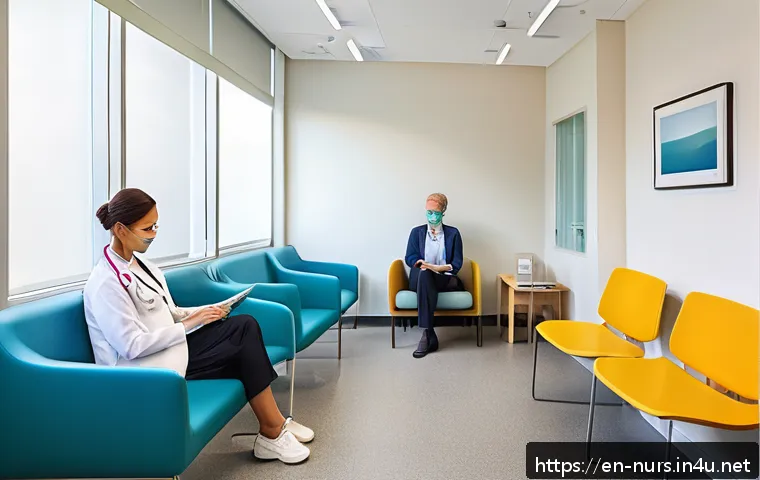
Long waits in waiting rooms or exam rooms can quickly sour a patient’s mood, regardless of the quality of care received. Clinics that implement efficient patient flow management, such as staggered scheduling and real-time updates on delays, tend to keep patients more at ease.
From my observation, even providing amenities like comfortable seating, refreshments, or informative reading material can make waiting less stressful.
Communicating estimated wait times honestly also helps manage expectations, which patients deeply appreciate.
Seamless Billing and Insurance Processing
Complex or opaque billing processes can be a major deterrent to ongoing patient engagement. I’ve encountered situations where confusing bills or unexpected charges caused frustration and distrust.
Practices that offer transparent pricing, easy-to-understand statements, and prompt insurance claim assistance create a smoother financial experience.
Having staff readily available to answer billing questions or set up payment plans shows empathy and can prevent patients from feeling overwhelmed or neglected.
Personalizing Care to Meet Individual Needs
Tailored Treatment Plans Improve Outcomes
One-size-fits-all approaches rarely satisfy patients fully. When providers take the time to understand a patient’s lifestyle, preferences, and health goals, the resulting care plan feels more relevant and achievable.
I recall a patient who appreciated how her doctor customized a diabetes management plan to fit her work schedule and dietary habits, which motivated her to stick with it.
This personalized approach not only boosts satisfaction but often leads to better adherence and health improvements.
Recognizing Emotional and Social Factors
Health is about more than just physical symptoms. Addressing emotional well-being and social determinants like family support, work stress, or access to resources enriches the care experience.
In my practice, when providers ask about mental health and social challenges, patients open up more and feel genuinely cared for. This holistic attention fosters loyalty because patients sense their provider sees them as whole people, not just cases to be treated.
Incorporating Patient Feedback for Continuous Improvement
Patients want to know their opinions matter. Collecting and acting on feedback through surveys or informal conversations signals commitment to quality care.
I’ve been impressed by clinics that share how they’ve implemented changes based on patient suggestions—this transparency deepens trust and engagement.
Moreover, involving patients in decision-making about their care plans empowers them and strengthens the provider-patient relationship.
Leveraging Technology to Enhance Accessibility and Engagement
Telehealth Expands Reach and Flexibility
The rise of telemedicine has transformed how patients access care, especially those with mobility or transportation challenges. From my experience, offering virtual visits not only increases convenience but also helps maintain regular contact during busy or difficult times.
Patients appreciate the flexibility to consult from home or work, which can improve follow-through on treatment and reduce missed appointments. Providers who integrate telehealth options demonstrate adaptability and patient-centeredness.
Patient Portals Empower Self-Management
Secure online portals where patients can view test results, request refills, or message providers anytime have become invaluable. I’ve seen patients feel more in control of their health when they can easily track progress and communicate without delays.
These platforms also reduce administrative burdens on staff, freeing up time for more personalized interactions. Encouraging patients to engage with their health data fosters transparency and partnership in care.
Data Analytics Drive Personalized Outreach
Using technology to analyze patient data helps tailor communication and interventions. For example, automated reminders for screenings or medication adherence based on individual risk factors can improve outcomes.
I’ve witnessed clinics leverage these insights to send targeted health tips or wellness offers that resonate more deeply with patients. This smart use of data enhances relevance and shows patients their provider is proactive and attentive.
Creating a Welcoming and Compassionate Environment
First Impressions Matter: Friendly Frontline Staff
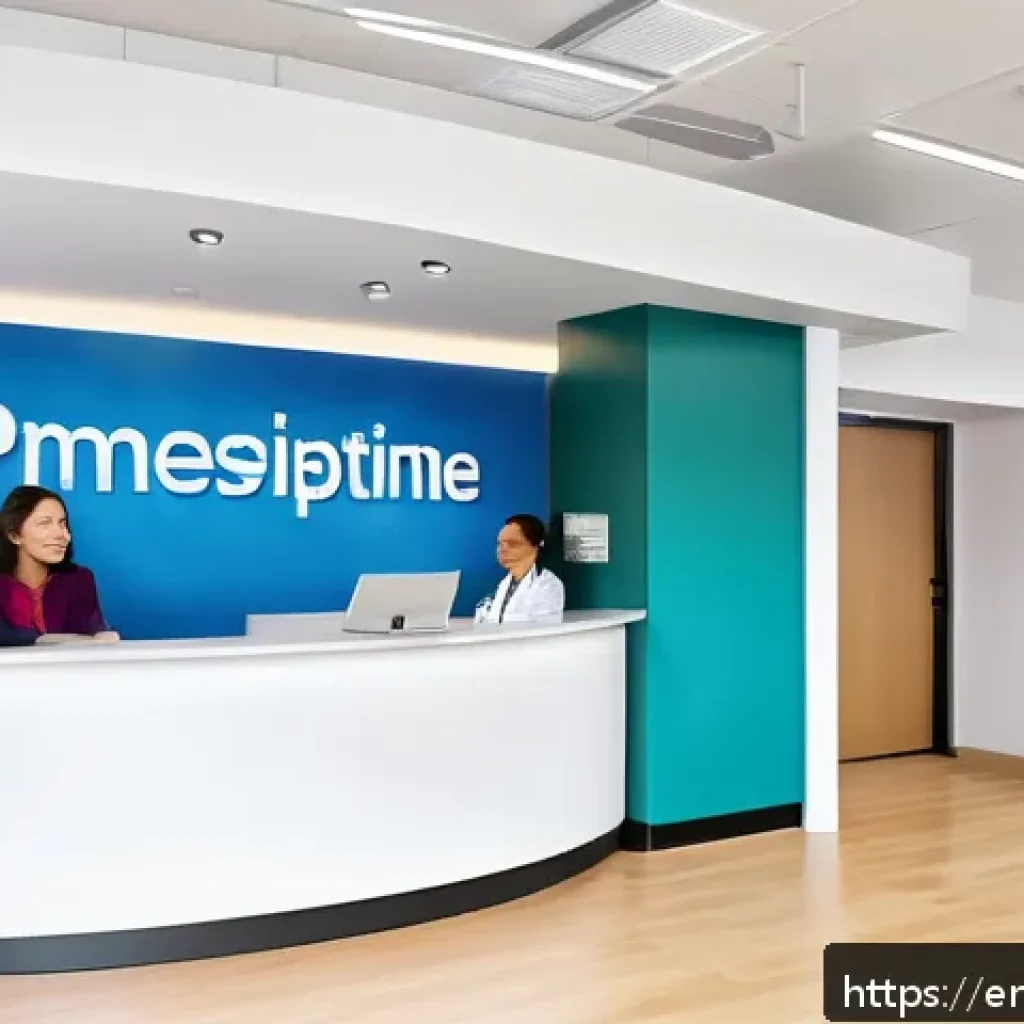
The tone set by receptionists and support staff shapes the entire patient experience. I’ve noticed that warm greetings and helpful attitudes create an inviting atmosphere that relaxes even anxious patients.
Training staff in empathy and effective communication pays off by reducing tension and making patients feel valued from the moment they walk in. This welcoming vibe often translates into higher satisfaction ratings and repeat visits.
Comfortable Facilities Enhance Overall Satisfaction
Clean, bright, and thoughtfully designed spaces contribute to patient comfort and well-being. I recall a facility that incorporated natural lighting, calming colors, and private consultation rooms, which patients frequently praised.
Attention to small details—like easy parking, clear signage, and accessible restrooms—also improves the experience. When patients feel physically comfortable, they’re more likely to view their care positively and return.
Empathy in Every Interaction
Healthcare can be intimidating, but genuine kindness and understanding make a huge difference. I’ve often seen how providers who take a moment to connect personally, acknowledge fears, or offer reassurance leave lasting impressions.
This human touch goes beyond clinical competence, making patients feel respected and cared for. Empathy is a cornerstone of loyalty because it builds emotional bonds that withstand challenges.
Recognizing and Rewarding Patient Loyalty
Implementing Patient Appreciation Programs
Showing gratitude to patients for their ongoing trust reinforces positive relationships. I’ve seen clinics offer loyalty discounts, wellness workshops, or small tokens of appreciation that patients genuinely enjoy.
These gestures communicate that the practice values their commitment and encourages continued engagement. When patients feel recognized, they’re more likely to recommend the provider to friends and family.
Offering Educational Resources for Empowerment
Providing access to health education materials, workshops, or support groups helps patients take charge of their health. I’ve found that patients who feel informed and supported beyond their appointments tend to stay more engaged.
Sharing newsletters or hosting webinars on relevant topics demonstrates investment in patients’ long-term well-being, fostering loyalty through added value.
Encouraging Patient Advocacy and Community Building
Creating opportunities for patients to connect with each other or participate in health initiatives builds a sense of community. I’ve noticed that practices encouraging patient testimonials or support networks create a positive environment that reinforces loyalty.
Patients often feel proud to be part of a supportive healthcare family, which motivates them to maintain relationships with their providers.
| Strategy | Key Actions | Patient Benefits | Provider Impact |
|---|---|---|---|
| Transparent Communication | Clear explanations, timely updates, proactive issue resolution | Increased trust, reduced anxiety, stronger rapport | Higher satisfaction scores, fewer complaints |
| Streamlined Service | Multiple scheduling options, reduced wait times, transparent billing | Convenience, less frustration, financial clarity | Improved retention, efficient operations |
| Personalized Care | Customized plans, emotional support, patient feedback | Relevant care, holistic support, empowerment | Better outcomes, enhanced engagement |
| Technology Integration | Telehealth, patient portals, data-driven outreach | Accessibility, self-management, tailored communication | Expanded reach, resource optimization |
| Compassionate Environment | Empathetic staff, comfortable facilities, personal connection | Emotional comfort, positive impressions | Increased loyalty, word-of-mouth referrals |
| Patient Loyalty Recognition | Appreciation programs, education, community building | Feeling valued, informed, connected | Stronger patient-provider bonds, advocacy |
In Conclusion
Building trust through transparent communication and personalized care creates lasting patient relationships. By embracing technology and fostering a compassionate environment, healthcare providers can significantly enhance patient satisfaction and loyalty. These strategies not only improve health outcomes but also strengthen the overall care experience, encouraging patients to stay engaged and committed to their well-being.
Helpful Information to Keep in Mind
1. Clear and honest communication is key to earning and maintaining patient trust.
2. Streamlining appointment scheduling and minimizing wait times greatly improve patient satisfaction.
3. Tailoring treatment plans to individual needs encourages better adherence and outcomes.
4. Leveraging technology like telehealth and patient portals enhances accessibility and engagement.
5. Creating a welcoming atmosphere with empathetic staff fosters emotional comfort and loyalty.
Key Takeaways
Effective patient care hinges on transparency, convenience, personalization, and compassion. Providers who prioritize open dialogue, simplify processes, and use technology wisely can build stronger connections with patients. Recognizing patient loyalty through appreciation and community initiatives further deepens trust and encourages ongoing engagement, ultimately benefiting both patients and healthcare practices alike.
Frequently Asked Questions (FAQ) 📖
Q: What are the key factors that influence patient loyalty beyond just successful treatment outcomes?
A: Patient loyalty goes far beyond clinical results. It’s shaped by how personalized and respectful the communication feels, how easy and convenient the service is, and the overall emotional experience.
When patients feel genuinely heard, understood, and supported throughout their healthcare journey, they’re more likely to return and recommend the provider.
Simple touches like follow-up calls, clear explanations, and empathy make a huge difference in building trust and satisfaction.
Q: How can healthcare providers improve communication to foster stronger patient loyalty?
A: Improving communication starts with active listening and tailoring information to each patient’s unique needs. Using plain language, avoiding medical jargon, and ensuring patients understand their care plan empower them to take control of their health.
Additionally, leveraging technology like patient portals or appointment reminders enhances accessibility and keeps patients engaged. From my experience, when providers take that extra step to clarify doubts and check in regularly, patients feel more valued and connected.
Q: What role does seamless service delivery play in enhancing patient satisfaction and loyalty?
A: Seamless service delivery is a game changer. When appointments run on time, paperwork is minimal, and billing is transparent, patients experience less stress and frustration.
Streamlining processes through digital check-ins, online scheduling, and quick access to test results creates a smooth, hassle-free experience that patients appreciate.
In real life, I’ve noticed that clinics prioritizing efficiency while maintaining a warm atmosphere see higher patient retention because people simply want healthcare that fits into their busy lives without added complications.