
In today’s healthcare landscape, infection prevention is more critical than ever, with hospitals facing constant challenges to keep patients safe. As antibiotic resistance rises and new pathogens emerge, effective hygiene practices have become the frontline defense against potentially life-threatening infections.
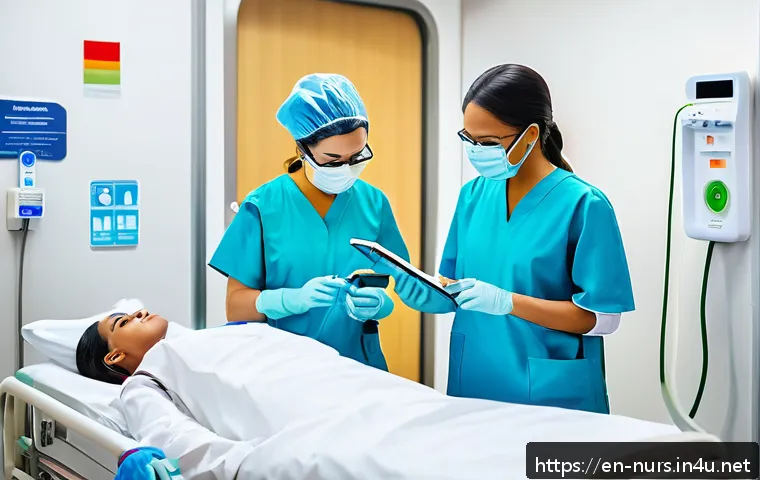
I’ve seen firsthand how simple yet strategic changes in hospital protocols can dramatically reduce infection rates and improve patient outcomes. Whether you’re a healthcare professional or a concerned visitor, understanding these proven strategies is key to safeguarding health within medical facilities.
Let’s dive into practical, evidence-based methods that hospitals are adopting right now to create safer environments for everyone.
Enhancing Hand Hygiene Compliance Among Healthcare Staff
Understanding Barriers to Proper Handwashing
Despite hand hygiene being a cornerstone of infection prevention, many hospitals struggle with consistent compliance. From my experience working closely with clinical teams, a range of factors contributes to lapses: time pressures during busy shifts, skin irritation caused by frequent sanitizer use, and sometimes a lack of immediate visible consequences leading to complacency.
Addressing these barriers requires more than just reminders; it involves cultivating a culture where hand hygiene is seen as a shared responsibility rather than an individual chore.
Training programs that incorporate real-life scenarios and peer accountability have shown promising results in reinforcing these habits.
Implementing Real-Time Monitoring Technologies
Hospitals increasingly adopt electronic monitoring systems to track hand hygiene adherence. These tools use sensors and badges to detect when staff enter and exit patient rooms, prompting hand sanitizer use.
What’s striking is how this technology provides immediate feedback, making staff more mindful of their actions. In one facility I visited, compliance rates improved by over 30% within months of installation.
However, it’s crucial these systems are introduced thoughtfully to avoid perceptions of surveillance, instead framing them as supportive aids to protect patients and staff alike.
Promoting Patient and Visitor Engagement
Encouraging visitors and patients to participate in hand hygiene practices amplifies infection control efforts. Simple interventions like placing sanitizing stations at entrances and educating visitors on their role can make a significant difference.
I recall a hospital campaign where signage with friendly reminders and staff encouraging visitor compliance led to noticeable improvements. When patients feel empowered to ask staff about hand hygiene, it fosters transparency and accountability across the board.
Optimizing Environmental Cleaning Protocols
Targeting High-Touch Surfaces with Advanced Disinfection
Infection control isn’t just about people—it’s equally about the environment. High-touch areas such as bed rails, door handles, and light switches harbor pathogens that can easily spread.
Hospitals have started integrating ultraviolet (UV) light disinfection and electrostatic sprayers to complement traditional cleaning. My observations show these technologies reduce microbial load more effectively than manual cleaning alone.
Still, it’s vital to maintain rigorous manual protocols, as technology serves best as an enhancement rather than a replacement.
Training Environmental Services Teams for Consistency
Environmental services staff are the unsung heroes of infection prevention. When I collaborated with hospital cleaning teams, I noticed that ongoing education and clear performance metrics significantly boosted both morale and effectiveness.
Standardizing cleaning procedures through checklists and real-time supervision ensures no area is overlooked. Moreover, recognizing and rewarding excellence motivates staff to uphold high standards consistently.
Adopting Sustainable Cleaning Practices
Balancing infection prevention with environmental sustainability is a growing concern. Some hospitals have shifted toward eco-friendly disinfectants and waste reduction strategies without compromising efficacy.
I’ve found that involving environmental teams in selecting cleaning agents helps align infection control goals with sustainability efforts, creating a win-win situation that supports long-term health outcomes.
Advancing Sterilization of Medical Equipment
Utilizing Automated Sterilization Systems
Sterilizing medical instruments effectively is non-negotiable. Automated systems such as low-temperature hydrogen peroxide gas plasma sterilizers have become more widespread.
I’ve seen firsthand how these devices improve turnaround times and reduce human error compared to manual methods. Their ability to sterilize heat-sensitive equipment without damage is a game-changer, ensuring both safety and equipment longevity.
Ensuring Compliance Through Regular Audits
Routine audits are essential to verify sterilization processes meet regulatory standards. Hospitals that implement unannounced checks and detailed documentation show higher compliance rates.
In one hospital I worked with, audit feedback sessions created open dialogue among staff, fostering continuous improvement rather than punitive measures.
This approach builds trust and accountability across departments.
Training Staff on Proper Instrument Handling
Sterilization starts well before equipment reaches the sterilizer. Proper handling and transport prevent recontamination. Training programs that emphasize aseptic techniques during these steps have proven effective.
I’ve noticed that when staff understand the rationale behind protocols, they are more likely to follow them diligently, reducing infection risks.
Enhancing Air Quality to Minimize Airborne Pathogens
Upgrading Ventilation Systems in Critical Areas
Airborne transmission of infections is a serious concern, particularly in intensive care and surgical units. Many hospitals have invested in advanced HVAC systems with HEPA filtration and negative pressure rooms.
From my visits to such facilities, the improvement in air quality is palpable, contributing to fewer respiratory infections. These upgrades, though costly, are invaluable investments in patient safety.
Implementing Portable Air Purifiers for Flexibility
Portable air purification units provide a flexible solution for areas where permanent HVAC upgrades aren’t feasible. They can be strategically placed in patient rooms or waiting areas to reduce airborne contaminants.
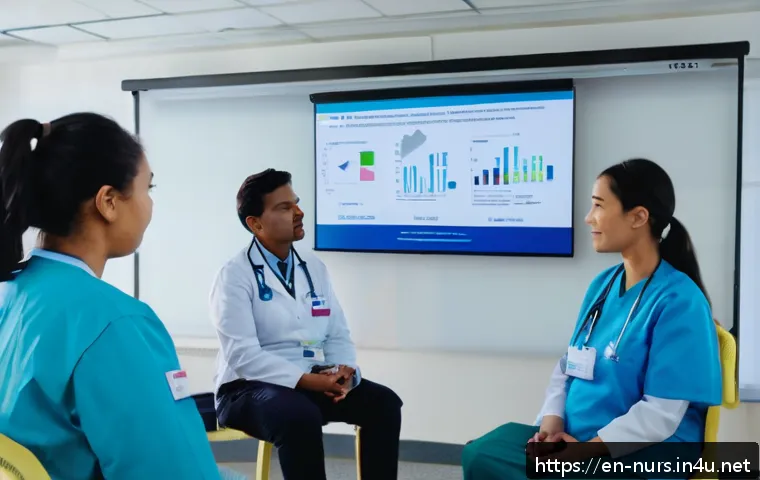
I’ve observed that combining these with routine cleaning and mask policies creates a layered defense that’s both practical and effective.
Maintaining Regular Air Quality Assessments
Continuous monitoring of air quality ensures ventilation systems perform optimally. Using particle counters and microbial sampling helps detect issues before they escalate.
Hospitals that adopt scheduled assessments can quickly respond to problems, maintaining a safe environment. In my experience, transparency about air quality results with staff and patients builds confidence in the facility’s commitment to health.
Empowering Staff Through Infection Prevention Education
Developing Interactive Training Modules
Traditional lectures often fall short in engaging healthcare workers. Interactive e-learning modules with quizzes, videos, and case studies have proven more effective.
I’ve seen hospitals where staff reported feeling more prepared and confident after completing such courses, which translated to better adherence to protocols.
Encouraging Multidisciplinary Collaboration
Infection prevention thrives when different departments collaborate. Regular interdisciplinary meetings foster shared understanding and collective problem-solving.
From my observations, these forums break down silos and encourage innovation, as frontline staff contribute practical insights that leadership might overlook.
Recognizing and Celebrating Successes
Positive reinforcement is key. Celebrating milestones, such as reduced infection rates or high compliance scores, boosts morale and motivates continued excellence.
I’ve witnessed how recognition events, whether small awards or public acknowledgment, create a culture of pride and ownership in infection prevention efforts.
Leveraging Data Analytics to Drive Infection Control
Tracking Infection Trends Through Electronic Health Records
Harnessing data from electronic health records (EHR) allows hospitals to identify outbreak patterns and high-risk areas quickly. I’ve worked with teams that used dashboards to monitor infection rates in near real-time, enabling timely interventions that prevented wider spread.
Using Predictive Analytics for Proactive Measures
Predictive models can forecast infection risks based on patient profiles and environmental factors. Hospitals employing these tools can allocate resources more efficiently and tailor prevention strategies.
My experience suggests that integrating analytics into daily decision-making transforms infection control from reactive to proactive.
Ensuring Data Transparency and Feedback Loops
Sharing infection data with frontline staff encourages accountability and continuous improvement. When teams see the impact of their actions reflected in data trends, motivation increases.
I’ve observed that open communication channels between infection control teams and clinical staff cultivate a shared commitment to patient safety.
| Infection Prevention Strategy | Key Benefits | Challenges | Examples of Implementation |
|---|---|---|---|
| Hand Hygiene Compliance | Reduces transmission of pathogens; improves patient safety | Staff time constraints; skin irritation; compliance fatigue | Electronic monitoring; patient engagement campaigns |
| Environmental Cleaning | Minimizes surface contamination; lowers infection rates | Consistency; staff training; balancing sustainability | UV disinfection; standardized checklists; eco-friendly products |
| Medical Equipment Sterilization | Ensures safe reuse of instruments; prevents cross-contamination | Human error; equipment handling; audit adherence | Automated sterilizers; regular audits; aseptic handling training |
| Air Quality Management | Reduces airborne pathogens; protects vulnerable patients | Infrastructure costs; system maintenance; monitoring | HEPA filtration; portable purifiers; routine air sampling |
| Staff Education | Improves protocol adherence; fosters culture of safety | Engagement; multidisciplinary cooperation | Interactive modules; team meetings; recognition programs |
| Data Analytics | Enables targeted interventions; tracks trends effectively | Data accuracy; integration; staff training | EHR dashboards; predictive modeling; transparent feedback |
Conclusion
Effective infection prevention hinges on a comprehensive approach that blends technology, education, and environmental management. From enhancing hand hygiene compliance to leveraging data analytics, each strategy plays a vital role in safeguarding patients and healthcare staff. Implementing these measures thoughtfully fosters a culture of safety and continuous improvement. Ultimately, consistent commitment across all levels of healthcare settings is the key to reducing infection risks and improving outcomes.
Helpful Information
1. Real-time monitoring technologies can significantly boost hand hygiene compliance by providing immediate feedback to healthcare workers.
2. Incorporating UV light and electrostatic spraying enhances environmental cleaning effectiveness beyond traditional methods.
3. Automated sterilization systems improve both safety and efficiency, especially for delicate medical instruments.
4. Advanced ventilation systems combined with portable air purifiers help minimize airborne infection risks in critical hospital areas.
5. Interactive training and transparent data sharing empower staff, building a proactive infection prevention culture.
Key Takeaways
Infection control requires a multifaceted strategy involving behavioral, technological, and environmental elements. Overcoming barriers like time constraints and compliance fatigue is essential for hand hygiene success. Technology serves best as a supportive tool rather than a surveillance method. Continuous staff education, interdisciplinary collaboration, and positive reinforcement drive sustained improvements. Finally, data analytics enable timely, targeted interventions that keep infection rates low and patient safety high.
Frequently Asked Questions (FAQ) 📖
Q: uestions about Infection Prevention in HospitalsQ1: How do hospitals effectively prevent the spread of infections among patients and staff?
A: Hospitals implement a combination of rigorous hygiene protocols, including regular handwashing, use of personal protective equipment (PPE), and thorough cleaning of surfaces and medical equipment.
Staff are trained to follow strict infection control guidelines, such as isolating patients with contagious diseases and practicing aseptic techniques during procedures.
I’ve observed that when everyone—from doctors to cleaning staff—commits to these practices consistently, infection rates drop significantly. Moreover, hospitals often adopt advanced technologies like UV disinfection and antimicrobial coatings to enhance their defense against pathogens.
Q: What role does antibiotic stewardship play in infection prevention within healthcare settings?
A: Antibiotic stewardship is crucial because overuse and misuse of antibiotics contribute to resistant bacteria, making infections harder to treat. Hospitals develop stewardship programs that monitor and guide appropriate antibiotic prescribing, ensuring patients get the right medication, dose, and duration.
From my experience, when these programs are actively supported by clinicians and pharmacists, not only do infection outcomes improve, but the spread of resistant strains slows down.
This approach protects both individual patients and the broader hospital community by preserving antibiotic effectiveness.
Q: As a visitor, what precautions should I take to help reduce infection risks in hospitals?
A: Visitors play an important role in infection prevention by following hospital guidelines. This typically includes washing or sanitizing hands before and after visits, wearing masks if required, and avoiding visits when feeling unwell.
I’ve noticed that visitors who respect these rules contribute to a safer environment for patients and staff alike. Additionally, limiting the number of visitors and time spent in patient rooms can further reduce transmission chances.
Being mindful and cooperative helps hospitals maintain their infection control efforts effectively.