Hey there, future healthcare heroes and seasoned educators! It’s no secret that the world of nursing is constantly evolving, isn’t it? Just when you think you’ve got a handle on things, a new technology or teaching approach emerges, completely reshaping how we train the next generation of compassionate caregivers.
I’ve personally seen how dedicated nurse educators are, always striving to equip students with not just textbook knowledge, but also the real-world wisdom they need to thrive.
The pace of change, especially with breakthroughs like advanced simulation, virtual reality experiences, and even AI-powered learning platforms, means our teaching methods have to be as dynamic as the healthcare landscape itself.
It’s not just about memorizing facts anymore; it’s about fostering critical thinking, adaptability, and that crucial human touch. I truly believe that by embracing these innovative strategies, from hands-on experiential learning to preparing for telehealth, we’re not just educating nurses, we’re empowering leaders ready to tackle anything.
It’s an exciting time to be in nursing education, and what truly inspires me is seeing how these shifts are leading to even better patient care outcomes and more confident, capable nurses.
This isn’t just theory; it’s what I’m seeing play out every single day in the most impactful ways. Let’s dive deeper into this below!
Revolutionizing Clinical Practice with Advanced Simulation
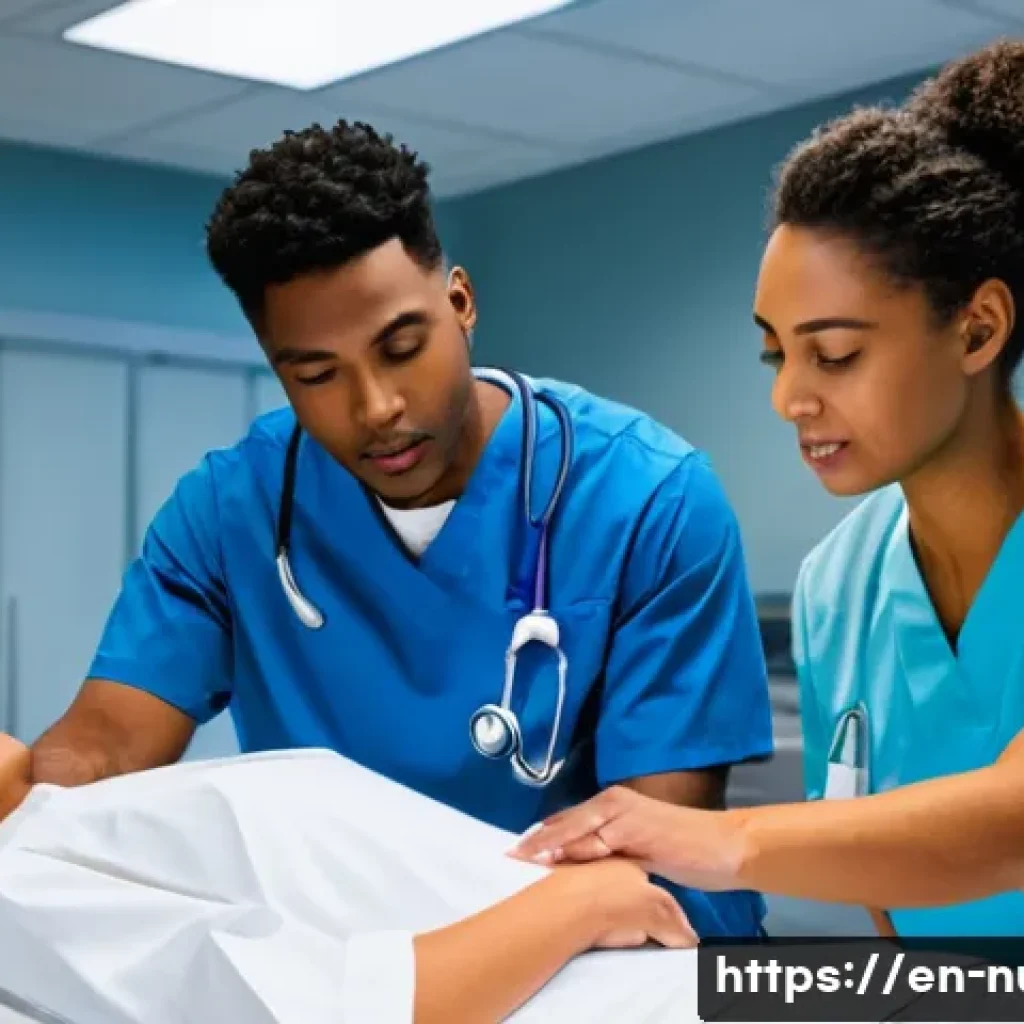
There’s nothing quite like the feeling of watching a student’s eyes light up when they finally grasp a complex clinical concept, especially when it clicks during a simulation. I’ve personally seen how advanced simulation technologies are absolutely transforming how we prepare future nurses. It’s not just about practicing skills in a lab anymore; it’s about immersing students in incredibly realistic, high-stakes scenarios without any actual patient risk. Think about it: they can manage a rapidly deteriorating patient, make critical decisions under pressure, and then thoroughly debrief their actions, all within a safe and controlled environment. This hands-on, experiential learning is priceless, allowing them to make mistakes, learn from them immediately, and build that crucial confidence before stepping onto a real hospital floor. The level of detail in modern simulators, from responsive mannequins that mimic human physiology to intricate virtual environments, truly mirrors what they’ll encounter in the diverse and challenging world of healthcare. It’s an investment that truly pays off in the long run, creating more competent and compassionate caregivers.
Bridging Theory and Practice in a Safe Space
For so long, nursing education often felt like a sharp divide between textbook knowledge and real-world application. Students would spend hours poring over medical terms and procedures, only to feel overwhelmed when faced with their first patient. What I’ve found incredibly effective is how simulation seamlessly bridges this gap. It’s where the theoretical suddenly becomes tangible. Instead of just reading about sepsis, students are actively assessing a “patient” exhibiting those symptoms, implementing protocols, and observing the immediate outcomes of their interventions. This active engagement solidifies their understanding in a way that lectures or even traditional clinical rotations sometimes can’t. It allows them to experiment, troubleshoot, and truly internalize the nursing process, building muscle memory for critical situations before they’re ever truly on the clock.
The Art of Debriefing: Learning from “Mistakes”
One of the most powerful components of simulation, in my opinion, isn’t just the scenario itself, but the debriefing that follows. This is where the real learning happens. I’ve facilitated countless debriefing sessions, and it’s always inspiring to see students openly discuss their actions, reflect on their decision-making process, and hear feedback from their peers and instructors. It’s a safe space to acknowledge what went well, identify areas for improvement, and critically analyze the ‘why’ behind their choices. This isn’t about pointing fingers; it’s about fostering a culture of continuous learning and improvement. We can dissect complex situations, explore alternative approaches, and reinforce best practices, ensuring that those simulated “mistakes” translate into invaluable lessons that prevent real errors in future patient care. It’s a transformative process that builds both clinical acumen and professional resilience.
Stepping into the Future: Virtual Reality and AI in the Classroom
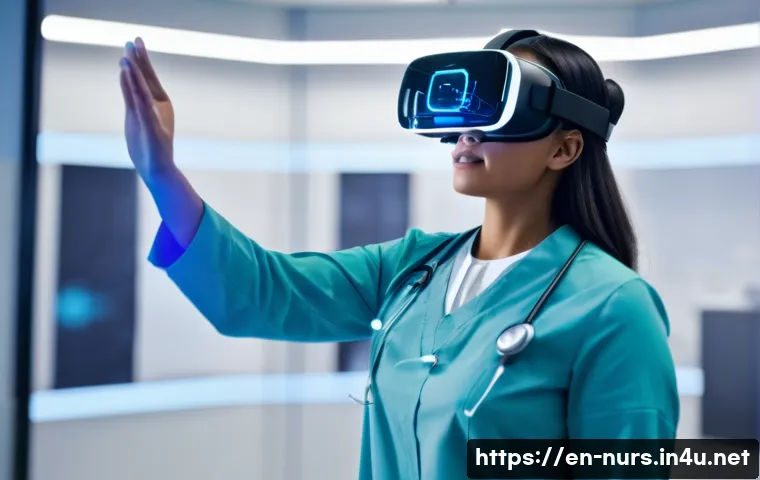
Honestly, when I first heard about virtual reality and AI being integrated into nursing education, I was a little skeptical. But having witnessed it firsthand, I can tell you it’s not some futuristic gimmick; it’s a game-changer. Imagine students walking through a virtual hospital ward, identifying safety hazards, or even interacting with virtual patients who respond dynamically based on their interventions. AI-powered platforms can assess a student’s knowledge gaps, suggest personalized learning modules, and even act as intelligent tutors, providing instant feedback. This technology allows for truly immersive experiences that are simply impossible to replicate in a traditional classroom or even a basic simulation lab. It’s exciting because it pushes the boundaries of what’s possible, creating rich, engaging learning environments that cater to diverse learning styles and prepare nurses for an increasingly technologically advanced healthcare system. My personal take is that these tools aren’t replacing human educators, but rather empowering us to teach in more impactful and efficient ways.
Immersive Scenarios: Beyond the Textbook
The beauty of virtual reality in nursing education is its ability to transport students beyond the confines of a textbook. They can step into a patient’s home to assess environmental risks, navigate a busy emergency room during a mass casualty event, or even experience what it’s like to be a patient themselves, gaining a deeper understanding of empathy and patient perspective. I recall one student who struggled with pediatric assessments in a traditional setting; after a few VR sessions interacting with virtual child patients, her confidence soared. These aren’t just passive viewing experiences; they require active participation and decision-making, forcing students to apply their knowledge in a dynamic and visually rich environment. The immediate feedback and realistic consequences within the virtual world make the learning incredibly sticky, solidifying concepts in a way that simply reading about them never could.
Personalized Pathways with Intelligent Tutors
One of the biggest challenges in any large classroom is catering to individual learning needs. This is where AI truly shines in nursing education. Intelligent tutoring systems can analyze a student’s performance, identify specific areas where they’re struggling, and then recommend tailored resources or practice scenarios. I’ve seen how this personalized approach keeps students engaged and motivated because they’re not just moving through a generic curriculum; they’re on a learning journey specifically designed for them. It’s like having a personal mentor available 24/7, providing targeted support and constructive feedback. This means students can progress at their own pace, focusing on mastering concepts rather than just keeping up with the class. For educators, it frees up valuable time from basic remediation, allowing us to focus on higher-level critical thinking and direct mentorship, ultimately leading to better-prepared graduates.
Cultivating the Caregiver’s Mind: Critical Thinking and Problem-Solving
In the whirlwind of modern healthcare, nurses aren’t just following orders; they’re critical thinkers, problem-solvers, and often, the first line of defense. That’s why, in my experience, fostering robust critical thinking skills is paramount. It’s about moving beyond rote memorization and teaching students how to truly analyze situations, prioritize care, and anticipate potential complications. We want them to ask “why,” to connect the dots, and to develop that astute clinical judgment that can make all the difference in patient outcomes. This isn’t something you can simply lecture about; it requires active engagement, challenging scenarios, and a supportive environment where students feel safe to explore different approaches and even make intellectual leaps. It’s deeply satisfying to see a student evolve from someone who just knows the facts to someone who can confidently apply those facts to complex, ambiguous, real-world situations, demonstrating true intellectual agility.
Case Studies That Come Alive
One of my favorite methods for stimulating critical thinking is through dynamic case studies. We move far beyond static textbook examples and dive into complex patient scenarios that evolve over time, mirroring the unpredictability of real clinical practice. I’ll present a patient’s initial presentation, and then, based on their assessments and proposed interventions, the case will progress, sometimes with unexpected twists. Students have to work through differential diagnoses, adjust care plans, and justify their reasoning every step of the way. It’s like a detective story where they’re piecing together clues, prioritizing interventions, and anticipating potential complications. This active problem-solving approach forces them to synthesize information, apply theoretical knowledge, and articulate their thought processes, which is an absolutely essential skill for competent nursing practice. I’ve seen students truly thrive when challenged in this way.
Empowering Independent Decision-Making
It’s vital that we empower nursing students to become independent decision-makers, not just passive recipients of instruction. This means giving them opportunities to lead, to make choices, and to experience the consequences (in a safe learning environment, of course). I often challenge my students with open-ended scenarios where there isn’t one “right” answer, encouraging them to consider multiple perspectives and justify their chosen course of action. We discuss the ethical implications, the evidence-based rationale, and the potential impact on patient safety and well-being. This process builds confidence and teaches them the nuanced art of clinical judgment, which is far more than just following a checklist. My goal is always to cultivate nurses who can think on their feet, advocate for their patients, and make sound, informed decisions even in the most ambiguous situations.
Navigating the Digital Frontier: Preparing for Telehealth and Remote Care
The rapid expansion of telehealth and remote care models has fundamentally changed how healthcare is delivered, and frankly, nursing education has had to catch up quickly! It’s no longer enough to just prepare nurses for bedside care; they absolutely need to be proficient in virtual patient interactions, too. I’ve observed firsthand how students initially struggle with the nuances of tele-assessment—how do you truly evaluate a patient’s respiratory status over a video call? Or build rapport without physical presence? It’s a completely different skill set that demands a blend of clinical acumen, technological proficiency, and keen observational skills. We’re now dedicating significant time to teaching virtual communication etiquette, effective remote patient monitoring, and understanding the legal and ethical considerations unique to digital healthcare. It’s about equipping them for the reality of modern practice, ensuring they can provide high-quality care whether a patient is across the room or across the state.
Mastering the Virtual Patient Encounter
Mastering the virtual patient encounter is more complex than it sounds. It involves not only technical skills, like ensuring a stable connection and navigating electronic health records, but also subtle communication techniques. I instruct my students on how to establish rapport through a screen, how to ask targeted questions that elicit crucial information, and how to interpret non-verbal cues when you can only see a patient from the chest up. We practice scenarios where they have to guide a patient or a family member through a self-assessment, or explain complex medication instructions effectively over video. It’s about being incredibly intentional with their language and actively listening to compensate for the lack of physical presence. My advice is always to treat a virtual encounter with the same gravity and thoroughness as an in-person visit, perhaps even more so, given the inherent limitations of the medium.
Ethical Considerations in a Connected World
With the rise of telehealth comes a whole new layer of ethical considerations that we simply can’t ignore. Think about patient privacy and data security when transmitting information across different platforms, or ensuring equitable access to care for all populations, especially those in rural or underserved areas who might lack reliable internet access. I guide my students through discussions on informed consent in a virtual setting, managing patient expectations, and understanding the limitations of remote diagnosis. It’s crucial they understand their responsibilities in maintaining professional boundaries and the implications of practicing across state lines. These aren’t just abstract concepts; they are daily realities for nurses in the digital age. We want our graduates to be technologically savvy, yes, but also deeply grounded in the ethical principles that are the bedrock of our profession.
Beyond Skills: Nurturing Empathy and Communication
You know, for all the incredible technological advancements we’re seeing, one truth remains constant: nursing is fundamentally a human endeavor. That’s why, in my teaching, I put a huge emphasis on nurturing empathy and communication skills. It’s not just about knowing how to perform a procedure; it’s about truly connecting with patients, understanding their fears, and communicating complex medical information in a way that’s clear, compassionate, and culturally sensitive. I’ve always believed that a truly great nurse isn’t just skilled, but also possesses an incredible heart. This means creating learning environments where students can practice active listening, therapeutic communication, and even navigate difficult conversations, like delivering bad news or discussing end-of-life care. These are the soft skills that often make the biggest difference in patient experience and ultimately, patient outcomes. It’s what transforms a good nurse into an exceptional one, and something I personally strive to instill in every student.
Role-Playing Real-Life Patient Interactions
There’s nothing quite like stepping into someone else’s shoes, even if it’s just in a classroom setting. That’s why I’m such a firm believer in role-playing real-life patient interactions. We set up scenarios where students practice delivering difficult diagnoses, addressing patient concerns, or explaining medication regimens to a family member. I’ve seen students initially feel awkward, but then they quickly realize the power of putting themselves in those moments. It allows them to experiment with different communication styles, receive immediate feedback on their approach, and learn how to adapt their words to various patient personalities and situations. This active practice helps them develop confidence, refine their listening skills, and cultivate that innate ability to connect with others on a deeply human level, which is a hallmark of truly compassionate nursing care. It builds character as much as it builds skill.
Building Trust Through Effective Dialogue
At its core, nursing is about building trust. And trust, I’ve found, is forged through effective dialogue. It’s about more than just relaying information; it’s about understanding, validating, and reassuring. I teach my students to use open-ended questions, to listen more than they speak, and to always approach every interaction with genuine curiosity and respect. We discuss how to interpret non-verbal cues, manage emotionally charged conversations, and even navigate cultural differences in communication. It’s about creating a safe space for patients to express themselves and feel heard. When nurses can communicate effectively, they empower patients to participate in their own care, adhere to treatment plans, and ultimately, achieve better health outcomes. This ability to build a strong, trusting relationship through dialogue is an invaluable skill that serves nurses throughout their entire career.
Teamwork Makes the Dream Work: Interprofessional Collaboration
In today’s complex healthcare landscape, no one operates in a silo, and frankly, they shouldn’t. That’s why emphasizing interprofessional collaboration in nursing education is not just a good idea; it’s absolutely essential. I’ve personally seen how much smoother patient care runs when doctors, nurses, pharmacists, social workers, and other healthcare professionals truly work as a cohesive team. Our students need to understand not just their own role, but also the roles and contributions of every member of the healthcare team. This means actively creating opportunities for them to learn alongside and from students in other disciplines. It teaches them mutual respect, fosters effective communication, and helps them understand how to leverage diverse expertise for the best patient outcomes. It’s about breaking down those traditional hierarchical barriers and cultivating a collaborative mindset from day one, preparing them for the realities of modern, team-based care.
Breaking Down Silos in Healthcare Education
For too long, healthcare education has often been fragmented, with each discipline learning in isolation. But the real world of patient care is anything but isolated! That’s why I’m a huge advocate for breaking down those silos and integrating interprofessional education into our curriculum. We organize joint simulation exercises with medical students, pharmacy students, and even social work students, where they collectively manage a complex patient case. These experiences are invaluable because they force students to communicate, negotiate, and problem-solve as a team. They learn how to articulate their unique perspectives, understand the scope of practice of others, and develop shared goals for patient care. It’s not always easy, but the initial awkwardness quickly gives way to a deeper appreciation for the diverse expertise each profession brings to the table. This is where truly holistic patient care begins.
Learning to Lead and Follow Effectively
Effective collaboration isn’t just about everyone doing their part; it’s also about understanding when to lead and when to follow. In interprofessional settings, nurses often find themselves in a pivotal role, coordinating care and advocating for their patients, which requires strong leadership. But they also need to know when to defer to the expertise of a physician, a physical therapist, or a social worker. I facilitate discussions and scenarios where students practice navigating these dynamics, learning how to assertively communicate their assessments and recommendations while also being open to the input of others. It’s about developing professional humility and recognizing that the patient’s best interest always comes first. This nuanced understanding of leadership and followership within a team context is absolutely critical for nurses who will be at the heart of coordinating care across various disciplines.
The Power of Personalized Learning Pathways
Every student walks into nursing school with a unique background, different learning styles, and varying levels of prior experience. It’s something I’ve always been keenly aware of, and it’s why I believe personalized learning pathways are so incredibly powerful. The old “one-size-fits-all” approach just doesn’t cut it anymore if we truly want to maximize each student’s potential. Imagine a student who excels in clinical skills but struggles with pharmacology, or another who thrives on visual aids while a peer prefers hands-on practice. Personalized learning leverages technology and flexible instructional design to tailor the educational experience to individual needs. It allows students to focus on areas where they need more support, accelerate through concepts they’ve already mastered, and engage with content in ways that resonate most with them. This approach not only boosts academic performance but also fosters a deeper sense of ownership and engagement in their learning journey, which I find incredibly rewarding to witness.
Adapting to Diverse Learning Styles
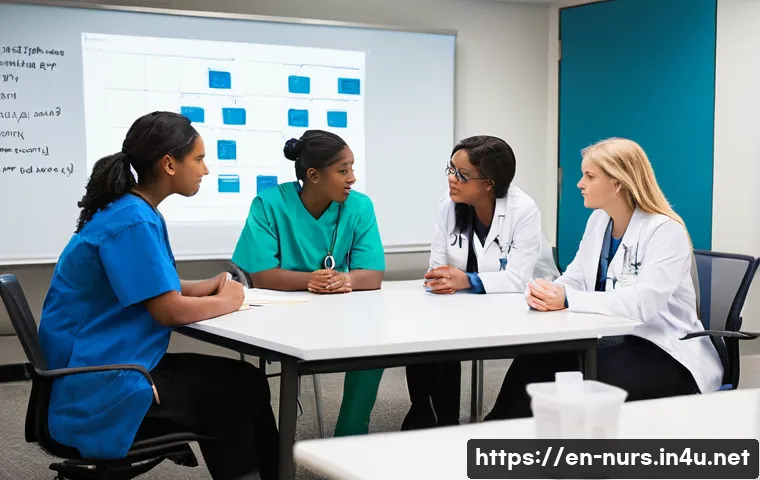
One of the most rewarding aspects of adopting personalized learning is seeing how effectively it adapts to the incredibly diverse learning styles within any cohort of students. Some students are highly kinesthetic; they learn best by doing. Others are visual learners who benefit from diagrams, videos, and interactive simulations. Then there are auditory learners who thrive with lectures and discussions. I’ve experimented with various tools that allow students to choose how they engage with material – from interactive modules with virtual patients to narrated presentations and extensive question banks. This flexibility ensures that no student is left behind simply because the teaching method doesn’t align with their preferred way of processing information. It empowers them to take control of their education, selecting resources and activities that truly resonate and help them grasp complex concepts more effectively.
Empowering Students to Own Their Journey
Perhaps the most profound impact of personalized learning is the sense of empowerment it instills in students. When they have a say in their learning path, when they can see their progress clearly, and when they receive targeted feedback, they become active owners of their educational journey rather than passive recipients. I’ve noticed a significant increase in motivation and self-directed learning among students who engage with personalized platforms. They learn to identify their own strengths and weaknesses, seek out appropriate resources, and develop a proactive approach to their studies. This isn’t just about getting good grades; it’s about cultivating lifelong learners who are adaptable, resilient, and confident in their ability to continuously grow and evolve as healthcare professionals. That self-efficacy is a priceless asset they carry well beyond graduation.
Driving Innovation: Technology Integration in Everyday Teaching
It’s fascinating how rapidly technology is evolving, and frankly, as nurse educators, we have a responsibility to not just keep up, but to actively integrate these innovations into our daily teaching practices. It’s not about replacing traditional methods entirely, but about enhancing them and preparing our students for the tech-driven healthcare environments they’ll soon enter. I’ve personally experimented with various digital tools, from interactive online modules that offer instant feedback to collaborative platforms where students can work on case studies together, even if they’re not in the same physical space. The goal is always to make learning more accessible, engaging, and relevant. This proactive approach ensures that our graduates are not only clinically competent but also digitally fluent, ready to navigate electronic health records, utilize patient monitoring systems, and leverage data for evidence-based practice. It’s a dynamic and exciting time to be an educator, continuously discovering new ways to empower the next generation of nurses.
Leveraging Digital Tools for Enhanced Engagement
Engaging students in a meaningful way is always a top priority, and digital tools have proven to be incredibly effective in achieving this. I’ve found that incorporating elements like gamified quizzes, interactive patient scenarios, and virtual escape rooms can transform dry theoretical content into an exciting and memorable learning experience. These tools don’t just present information; they challenge students to actively apply their knowledge, make decisions, and see the immediate consequences of their choices. For instance, using a clinical judgment platform where students must prioritize care for multiple virtual patients under time pressure creates a dynamic learning environment that mimics real-world urgency. The immediate feedback and competitive element inherent in some of these tools keep students motivated and deeply invested in the learning process, fostering a more profound understanding of complex clinical concepts.
Data-Driven Instruction for Continuous Improvement
One of the most valuable, yet often overlooked, benefits of integrating technology is the wealth of data it provides for instruction. Modern learning platforms can track student performance in incredible detail, highlighting areas where an entire class might be struggling, or pinpointing specific knowledge gaps for individual students. I use this data constantly to refine my teaching strategies, adjust curriculum content, and provide more targeted support. If I see a pattern of students consistently missing questions on a particular topic, I know it’s time to re-evaluate how that material is being taught or to provide additional resources. This data-driven approach allows for continuous improvement in our educational methods, ensuring that we’re not just guessing what works, but making informed decisions based on empirical evidence. It’s about optimizing the learning experience for every student, every single time.
| Educational Strategy | Key Benefits for Nursing Students | Real-World Application |
|---|---|---|
| Advanced Simulation | Safe practice for high-risk scenarios, immediate feedback, critical decision-making in a controlled environment. | Practicing code blue response, managing complex medication drips, performing intricate procedures without patient risk. |
| Virtual Reality & AI | Immersive learning, personalized content, exposure to diverse patient environments, skill development via intelligent tutors. | Virtual patient assessments, navigating simulated emergency rooms, practicing empathetic communication with AI patients. |
| Interprofessional Education | Teamwork skills, understanding diverse roles, effective communication across disciplines, collaborative problem-solving. | Joint simulations with medical and pharmacy students, participating in mock interdisciplinary rounds. |
| Telehealth Training | Proficiency in virtual care, remote patient monitoring, digital communication etiquette, ethical considerations in telehealth. | Conducting virtual patient assessments, providing health education via video calls, understanding legal aspects of remote care. |
Fostering a Culture of Lifelong Learning and Adaptability
If there’s one thing I try to impress upon my students above all else, it’s the absolute necessity of being a lifelong learner. The world of healthcare doesn’t stand still, and neither can nurses. New treatments, technologies, and best practices emerge constantly, and what’s cutting-edge today might be standard practice tomorrow. That’s why fostering a culture of curiosity, adaptability, and continuous professional development is so vital during their formative years. I encourage them to question, to seek out new knowledge, and to embrace change as an inherent part of their profession. It’s about instilling that intellectual hunger and resilience, preparing them not just for their first job, but for a dynamic and evolving career that spans decades. My hope is that they leave our program not just as competent nurses, but as passionate advocates for ongoing growth, always eager to expand their horizons and contribute to the advancement of patient care.
Embracing Continuous Professional Development
The journey of a nurse doesn’t end with graduation; in fact, that’s just the beginning of a lifelong commitment to learning. I emphasize to my students that continuous professional development isn’t just a requirement for licensure; it’s an ethical imperative. We discuss the importance of staying current with evidence-based practice, attending conferences, pursuing specialty certifications, and engaging in reflective practice. I share stories of my own experiences learning new skills years into my career, demonstrating that growth is an ongoing process. By instilling this mindset early on, we equip them with the intrinsic motivation to seek out opportunities for growth, ensuring they remain at the forefront of nursing practice throughout their careers. It’s about cultivating that inherent drive to always be better for their patients and for themselves.
Building Resilience for an Evolving Profession
The healthcare landscape is constantly shifting, bringing with it new challenges and demands. Building resilience and adaptability in our future nurses is therefore absolutely crucial. I actively create opportunities for students to navigate ambiguous situations, problem-solve under pressure, and learn from setbacks, fostering a mindset of flexibility and perseverance. We discuss the importance of self-care, seeking mentorship, and building strong support networks to cope with the inherent stresses of the profession. My goal is not just to teach them clinical skills, but to equip them with the mental fortitude and emotional intelligence needed to thrive in an ever-evolving environment. It’s about preparing them to embrace change, to pivot when necessary, and to view challenges as opportunities for growth, ultimately ensuring a long, fulfilling, and impactful career in nursing.
Empowering Future Leaders: Advocacy and Professionalism
When I think about the nurses who truly leave a lasting impact, they’re not just skilled clinicians; they’re also fierce advocates and exemplary professionals. That’s why, in our curriculum, we dedicate significant focus to empowering students to become strong advocates for their patients and for the nursing profession as a whole. It’s about teaching them to find their voice, to stand up for what’s right, and to navigate complex ethical dilemmas with integrity. This involves discussions on healthcare policy, patient rights, and the importance of active participation in professional organizations. I’ve personally witnessed the power of a nurse’s voice in shaping better patient outcomes and driving systemic change. We encourage critical thinking not just about clinical problems, but about broader societal issues affecting health. Our aim is to cultivate graduates who are not only exceptional caregivers but also thoughtful leaders and impactful agents of positive change within the healthcare system.
Finding Their Voice: Patient Advocacy
A fundamental role of every nurse is to be a patient advocate. This means speaking up for those who cannot speak for themselves, ensuring their rights are protected, and that their voices are heard within the healthcare system. I create scenarios where students must advocate for a patient’s wishes, challenge an unsafe order, or address disparities in care. We discuss the ethical frameworks that underpin advocacy and the importance of clear, assertive communication. It’s about developing the courage to question, to negotiate, and to stand firm in their commitment to patient well-being, even when facing opposition. I want our students to understand that advocacy isn’t just an abstract concept; it’s a daily practice that requires both knowledge and moral conviction, and it’s a profound responsibility they carry with pride.
Upholding Professional Standards and Ethics
The nursing profession is built on a foundation of trust, integrity, and ethical conduct. It’s absolutely paramount that our students not only understand these principles but embody them in every aspect of their practice. We delve deeply into the nursing code of ethics, discussing real-world dilemmas and exploring how to navigate situations that test their moral compass. From maintaining patient confidentiality to demonstrating accountability and cultural competence, these discussions are crucial for shaping well-rounded professionals. I share personal examples of how adherence to professional standards has guided my own practice and reinforced public trust in nurses. Our goal is to graduate nurses who are not just technically proficient but who also possess an unwavering commitment to the highest standards of professionalism, ensuring they represent our noble profession with honor and distinction.
Wrapping Things Up
As we navigate this exhilarating journey through the evolution of nursing education, it’s clear that the future of healthcare is bright, thanks to the dedicated educators and the incredible innovations we’re embracing. I truly believe that by integrating advanced simulation, virtual reality, AI, and a deep focus on human-centered skills like empathy and collaboration, we’re not just preparing students for a job; we’re shaping compassionate, competent, and resilient leaders who will redefine patient care for generations to come. It’s a continuous adventure of learning and adapting, and seeing our students transform into these amazing professionals is, without a doubt, the most rewarding part of it all. The energy and passion they bring to the field, equipped with these cutting-edge tools and timeless values, truly give me so much hope for what lies ahead.
Helpful Information You Should Know
1. Embrace Tech Early: Don’t shy away from new technologies in healthcare. Whether it’s practicing with VR simulations or using AI-powered learning tools, getting comfortable with these innovations now will give you a significant edge and better prepare you for the digital demands of modern clinical practice. The more you engage, the more natural it becomes.
2. Never Stop Learning: The healthcare landscape changes at lightning speed. Make a commitment to lifelong learning, stay updated on the latest research and technologies, and actively seek out opportunities for continuous professional development. Your patients deserve the most current, evidence-based care you can provide, and your career will thrive on your adaptability.
3. Prioritize Your “Soft Skills”: While technical proficiency is crucial, remember that nursing is fundamentally a human profession. Focus on honing your communication, empathy, and critical thinking skills. These are the superpowers that truly distinguish an outstanding nurse and lead to profound patient connections and better outcomes, often more than any piece of equipment.
4. Collaborate, Collaborate, Collaborate: Modern healthcare is a team sport. Actively seek out opportunities to work and learn alongside other disciplines – doctors, pharmacists, social workers, and more. Understanding different perspectives and developing strong interprofessional communication skills will make you an invaluable asset in any clinical setting and significantly improve patient care coordination.
5. Be Your Own Advocate (and Your Patient’s): Understand that your voice matters, both for your patients and for your profession. Learn to confidently advocate for patient safety, ethical practice, and your own professional growth. Standing up for what’s right and contributing to policy discussions helps shape a better, safer healthcare system for everyone involved.
Key Takeaways
What I want you to walk away with is this: the journey of becoming a nurse, and indeed the entire nursing profession, is undergoing an incredible evolution. We’re seeing a powerful blend of high-tech innovation and deeply human connection that’s creating a more dynamic and effective learning environment than ever before. It’s no longer just about memorizing facts; it’s about experiential learning, critical thinking, and developing the emotional intelligence to navigate complex, real-world scenarios. The future belongs to nurses who are adaptable, tech-savvy, collaborative, and above all, fiercely compassionate. By embracing these advancements and continuing to nurture the core values of our profession, we’re ensuring that the next generation of caregivers is not just ready, but truly exceptional.
Frequently Asked Questions (FAQ) 📖
Q: With all these incredible technological advancements like VR and
A: I, how are they actually transforming the traditional nursing classroom experience, and what’s the real benefit for students? A1: Oh, this is such a fantastic question, and one I hear all the time!
From my vantage point, these technologies are nothing short of revolutionary. Think about it: remember when we learned about complex procedures just from textbooks and maybe a few static diagrams?
Now, with virtual reality, students can literally step into a high-stakes operating room or a chaotic emergency department without any real patient risk.
I’ve personally watched students practice intubations on incredibly realistic mannequins that even simulate physiological responses, or navigate intricate patient scenarios in VR simulations, making critical decisions in a safe, controlled environment.
The real magic here isn’t just about seeing things; it’s about doing them, making mistakes, learning from them instantly, and building that muscle memory and critical thinking under pressure.
This hands-on, immersive experience significantly boosts their confidence and competence long before they even touch a real patient. It truly bridges that gap between theory and practice in a way we could only dream of before.
This isn’t just enhancing the classroom; it’s turning it into a dynamic, experiential learning lab that prepares them for anything.
Q: It sounds amazing for students, but how are nurse educators expected to keep up with this rapid pace of change? What are your top tips for us educators to stay relevant and effective in this evolving landscape?
A: You’ve hit on a crucial point! It’s not just about the tech; it’s about us, the educators, guiding our students through it all. I know it can feel like a whirlwind sometimes, constantly learning new platforms and integrating new tools.
My biggest advice, and something I truly believe in, is to embrace a mindset of continuous learning yourself. We can’t expect our students to be lifelong learners if we aren’t!
First, network fiercely. Connect with other educators, attend webinars, join professional organizations focused on nursing education technology. You’d be amazed at the practical tips and innovative approaches you pick up from your peers.
Second, don’t be afraid to experiment, even with small steps. Maybe start by integrating a simple interactive quiz tool or a short VR module into one lecture.
See what works, get feedback from your students – they often have great insights! And honestly, remember that our core mission remains the same: fostering empathy, critical thinking, and the human touch.
Technology is a tool, not the goal. It helps us deliver content more effectively, but our human connection and mentorship are irreplaceable. I’ve found that when educators genuinely engage with new tools, students feel that energy and are even more motivated to learn.
Q: Looking ahead, what are the most vital skills for new nurses entering the workforce today, beyond just clinical knowledge, especially considering trends like telehealth and more complex patient needs?
A: This is where the rubber meets the road, isn’t it? Beyond the foundational clinical skills – which are always paramount, of course – I’ve observed a few essential competencies that truly set successful new nurses apart in today’s landscape.
First, adaptability is non-negotiable. Healthcare environments are incredibly fluid, and nurses need to be ready to pivot, learn new procedures, and integrate new technologies on the fly.
Second, critical thinking and problem-solving are more important than ever. With information overload, nurses need to quickly synthesize data, make sound judgments, and advocate effectively for their patients.
Third, and this is deeply personal for me, empathy and communication skills are absolutely vital, especially with the rise of telehealth. While technology can connect us, it can also create distance.
A nurse who can truly listen, convey compassion through a screen, and build trust remotely is a superpower. Finally, a strong grasp of digital literacy and data interpretation is becoming essential.
Understanding electronic health records, using telehealth platforms effectively, and even basic data analysis for quality improvement are no longer niche skills but core requirements.
It’s about being a well-rounded, resilient, and human-centered professional who can navigate both the high-tech and high-touch aspects of modern care.