In today’s fast-paced healthcare environment, ER nurses stand at the frontline, making split-second decisions that often mean the difference between life and death.
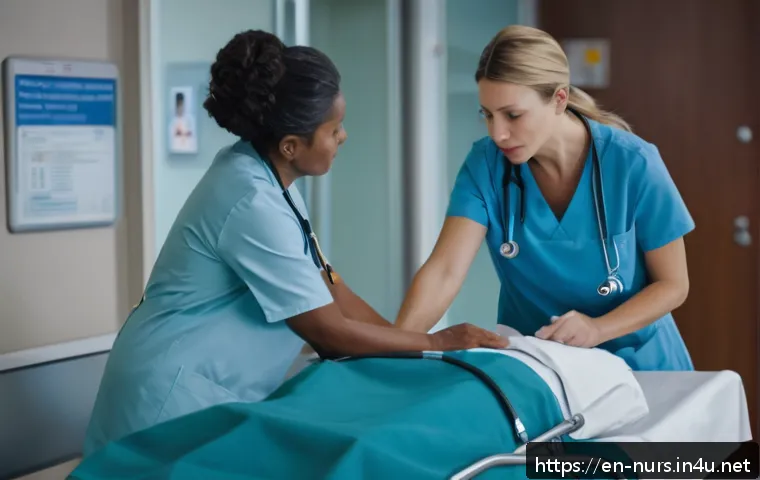
With emergency departments busier than ever, especially amid ongoing public health challenges, their critical roles have never been more vital. Whether managing trauma cases or stabilizing patients in crisis, these professionals combine skill, compassion, and resilience every single day.
Join me as we dive into the dynamic world of ER nursing and uncover how their expertise saves countless lives around the clock. If you’ve ever wondered what it truly takes to thrive in this high-stakes setting, you’re in the right place.
The Art of Rapid Assessment in Chaos
Prioritizing Patients When Every Second Counts
In the whirlwind environment of an emergency room, the ability to quickly determine who needs immediate attention is absolutely critical. ER nurses develop an almost instinctive skill to triage patients based on severity, sometimes within mere seconds of arrival.
This isn’t just about following protocol; it’s about sensing subtle cues—like changes in skin color, breathing patterns, or even the tone of a patient’s voice—that indicate a hidden crisis.
From personal experience, I can tell you that mastering this rapid assessment often requires a mix of clinical knowledge, intuition, and a calm mindset, especially when the waiting room is overflowing and the pressure is mounting.
Balancing Protocol with Intuition
While emergency nursing relies heavily on well-established guidelines, the unpredictable nature of cases means nurses frequently have to adapt on the fly.
For instance, a patient may present symptoms that don’t fit textbook descriptions yet clearly signal danger. In these moments, an ER nurse’s gut feeling, backed by experience, can be the difference between early intervention and a missed diagnosis.
I’ve witnessed countless occasions where trusting my instincts alongside objective data led to lifesaving actions, underscoring that this balance is crucial in emergency care.
Utilizing Technology to Enhance Speed and Accuracy
Modern ERs are equipped with advanced monitoring devices, electronic health records, and diagnostic tools that aid nurses in making faster, more informed decisions.
These technologies can track vital signs continuously or alert staff to sudden changes, allowing nurses to intervene promptly. However, it’s important to remember that technology is a tool, not a replacement for hands-on assessment.
The best outcomes come from integrating these innovations with the nurse’s sharp observational skills and critical thinking, creating a seamless flow of care even under immense pressure.
Mastering Communication Amid Turmoil
Coordinating with a Multidisciplinary Team
Emergency care is rarely a solo effort. ER nurses constantly communicate with doctors, paramedics, specialists, and support staff to ensure patients receive timely, coordinated treatment.
This requires clear, concise information exchange, often in noisy, chaotic settings where miscommunication can have serious consequences. I’ve found that developing a calm, assertive communication style helps maintain order and clarity, whether it’s relaying vital stats, advocating for a patient’s needs, or quickly adapting to changing priorities.
Calming Patients and Families in Crisis
When patients arrive in distress or with loved ones who are frightened and overwhelmed, an ER nurse often becomes the emotional anchor. Offering reassurance, explaining procedures in simple terms, and providing compassionate presence are just as important as medical intervention.
In my experience, even a few moments of empathetic connection can ease anxiety and build trust, which not only supports emotional well-being but can also improve cooperation during treatment.
Documentation Without Delay
Accurate, timely documentation is essential in the ER, where every detail can impact patient outcomes and legal accountability. Nurses must balance thorough record-keeping with the urgency of patient care, often entering data while multitasking.
I’ve learned that developing efficient documentation habits—like using shorthand or voice-to-text tools—helps maintain both accuracy and speed, ensuring nothing critical is missed despite the relentless pace.
Physical and Mental Resilience Under Pressure
Managing Fatigue During Long Shifts
ER nursing is physically demanding; long hours on your feet, constant movement, and the need to respond instantly to emergencies take a toll on the body.
Personally, I’ve experienced how fatigue can affect focus and reaction time, which is why prioritizing self-care is vital. Hydration, nutrition, and quick stretches during breaks can make a significant difference in maintaining stamina throughout a grueling shift.
Handling Emotional Stress and Trauma
Witnessing severe injuries, death, and emotional suffering is part of the job, and the psychological impact can be profound. ER nurses often develop coping mechanisms such as peer support, debriefing sessions, or professional counseling to process these experiences.
From my own journey, I’ve realized that acknowledging the emotional weight rather than suppressing it helps sustain long-term resilience and prevents burnout.
Building a Supportive Workplace Culture
A strong sense of teamwork and mutual respect among ER staff creates a buffer against stress. When colleagues support each other, share knowledge, and openly communicate, it fosters a healthier work environment.
I’ve noticed that units where leadership encourages open dialogue and recognizes the hard work of nurses tend to have higher morale and better patient outcomes, highlighting the importance of culture in resilience.
Skills Beyond the Clinical Scope
Critical Thinking in Unpredictable Situations
Emergencies rarely follow a script, so ER nurses must think quickly and creatively. Whether it’s improvising with limited resources or anticipating complications before they arise, critical thinking is constantly in play.

From personal cases, I’ve learned that cultivating this skill involves continuous learning and reflection on past experiences, which sharpens decision-making under pressure.
Patient Education and Advocacy
Beyond immediate care, ER nurses often educate patients on follow-up treatments, medication adherence, or lifestyle changes. Advocating for patients, especially those who may struggle with communication or access to care, is a crucial part of the role.
I’ve found that clear, compassionate education not only empowers patients but also reduces readmissions, making it an integral aspect of emergency nursing.
Adaptability to Evolving Medical Practices
The healthcare field is always advancing, and ER nurses must stay current with new protocols, medications, and technologies. This requires ongoing training and flexibility to implement changes swiftly.
In my experience, embracing a growth mindset and seeking out educational opportunities keeps skills sharp and improves patient care quality.
Essential Competencies in Emergency Nursing
| Competency | Description | Impact on Patient Care |
|---|---|---|
| Rapid Triage | Assessing and prioritizing patients based on severity | Ensures critical cases receive immediate attention |
| Advanced Life Support Skills | Performing CPR, managing airways, and stabilizing patients | Directly saves lives in critical moments |
| Effective Communication | Coordinating with team and calming patients/families | Improves treatment efficiency and patient cooperation |
| Emotional Resilience | Managing stress and trauma from high-pressure situations | Prevents burnout and maintains consistent care quality |
| Technological Proficiency | Using monitoring devices and electronic records effectively | Enhances accuracy and speeds up interventions |
Preparing for a Career in the Emergency Room
Education and Certification Requirements
Becoming an ER nurse typically starts with obtaining a registered nurse (RN) license, followed by specialized training in emergency care. Certifications like the Certified Emergency Nurse (CEN) or Advanced Cardiovascular Life Support (ACLS) are highly valued and often required.
From what I’ve seen, investing time in these certifications not only boosts confidence but also opens doors to more advanced roles within emergency departments.
Gaining Hands-On Experience
Nothing prepares you for the ER quite like real-world experience. Many nurses begin in general medical-surgical units before transitioning to emergency settings.
I personally found that working in diverse clinical environments helped me build a broad skill set and adapt quickly when I finally stepped into the ER.
Volunteering or shadowing in emergency departments can also provide invaluable insight before committing to this challenging path.
Continuing Professional Development
The fast-changing nature of emergency medicine means learning never stops. Attending workshops, conferences, and online courses keeps skills fresh and introduces new approaches to patient care.
In my career, staying engaged with professional communities has not only enhanced my knowledge but also connected me with mentors and peers who provide ongoing support and inspiration.
Conclusion
Emergency nursing demands a unique blend of rapid decision-making, emotional resilience, and effective communication. Through experience and continuous learning, nurses develop the skills necessary to thrive in high-pressure environments. Embracing both technology and intuition ensures the best patient outcomes even amidst chaos. Ultimately, dedication and adaptability define success in this challenging yet rewarding field.
Helpful Information to Keep in Mind
1. Continuous training and certification are key to maintaining and advancing emergency nursing skills.
2. Developing strong communication techniques improves teamwork and patient trust during critical moments.
3. Self-care practices such as proper hydration and breaks are essential to sustain physical and mental stamina.
4. Utilizing technology effectively can enhance assessment speed but should complement—not replace—clinical judgment.
5. Emotional support systems within the workplace help prevent burnout and promote a healthy work culture.
Key Takeaways
In emergency nursing, the ability to quickly assess and prioritize patients saves lives, making rapid triage a fundamental skill. Balancing clinical protocols with intuitive judgment ensures that no critical sign is overlooked. Effective communication with the healthcare team and patients alike is crucial for coordinated care and emotional support. Managing physical fatigue and emotional stress through self-care and peer support maintains long-term resilience. Finally, embracing ongoing education and adaptability keeps nurses prepared for evolving medical challenges and innovations.
Frequently Asked Questions (FAQ) 📖
Q: What skills are essential for an ER nurse to handle high-pressure situations effectively?
A: An ER nurse must excel in quick decision-making, critical thinking, and multitasking. Beyond technical skills like IV insertion and cardiac monitoring, emotional resilience is key.
I’ve seen firsthand how staying calm and focused during chaotic moments can make a huge difference—not just for patient outcomes but also for team coordination.
Compassion also plays a huge role because patients and families are often scared and vulnerable. Balancing these skills is what allows ER nurses to thrive in fast-paced environments.
Q: How do ER nurses manage the emotional toll of their demanding work?
A: Working in the ER is emotionally intense, no doubt. Many nurses rely on peer support and debriefing sessions after tough shifts to process what they’ve experienced.
Personally, I’ve found that developing strong relationships with colleagues helps create a safety net where feelings can be shared openly. Regular self-care routines like exercise, mindfulness, or hobbies outside work are crucial too.
It’s about finding balance—acknowledging the stress but not letting it consume you, which takes time and practice.
Q: What does a typical shift look like for an ER nurse, and how do they stay prepared for anything?
A: No two shifts are ever the same in the ER, which is part of what makes it exciting and challenging. A typical day involves rapid assessments, triaging incoming patients, administering medications, and coordinating with doctors and specialists.
Preparation comes from continuous training and staying updated on the latest protocols. From my experience, staying organized and adaptable is essential because emergencies can escalate quickly, and you have to be ready to switch gears at a moment’s notice while maintaining a clear head.